

Visiting London – when opposites go together
I spent a few days in London. Together with a small group, I went to the British metropolis for two and a half days at the invitation of my English teacher. It was a trip that was not only exciting from a linguistic point of view – but above all it triggered a thought that has stuck with me.
What makes London so special is not just its size or internationality. It is the natural interplay of contrasts: Historic buildings that have shaped the cityscape for centuries stand right next to modern architecture made of glass and steel. The closer you get to the center, the clearer this picture becomes.
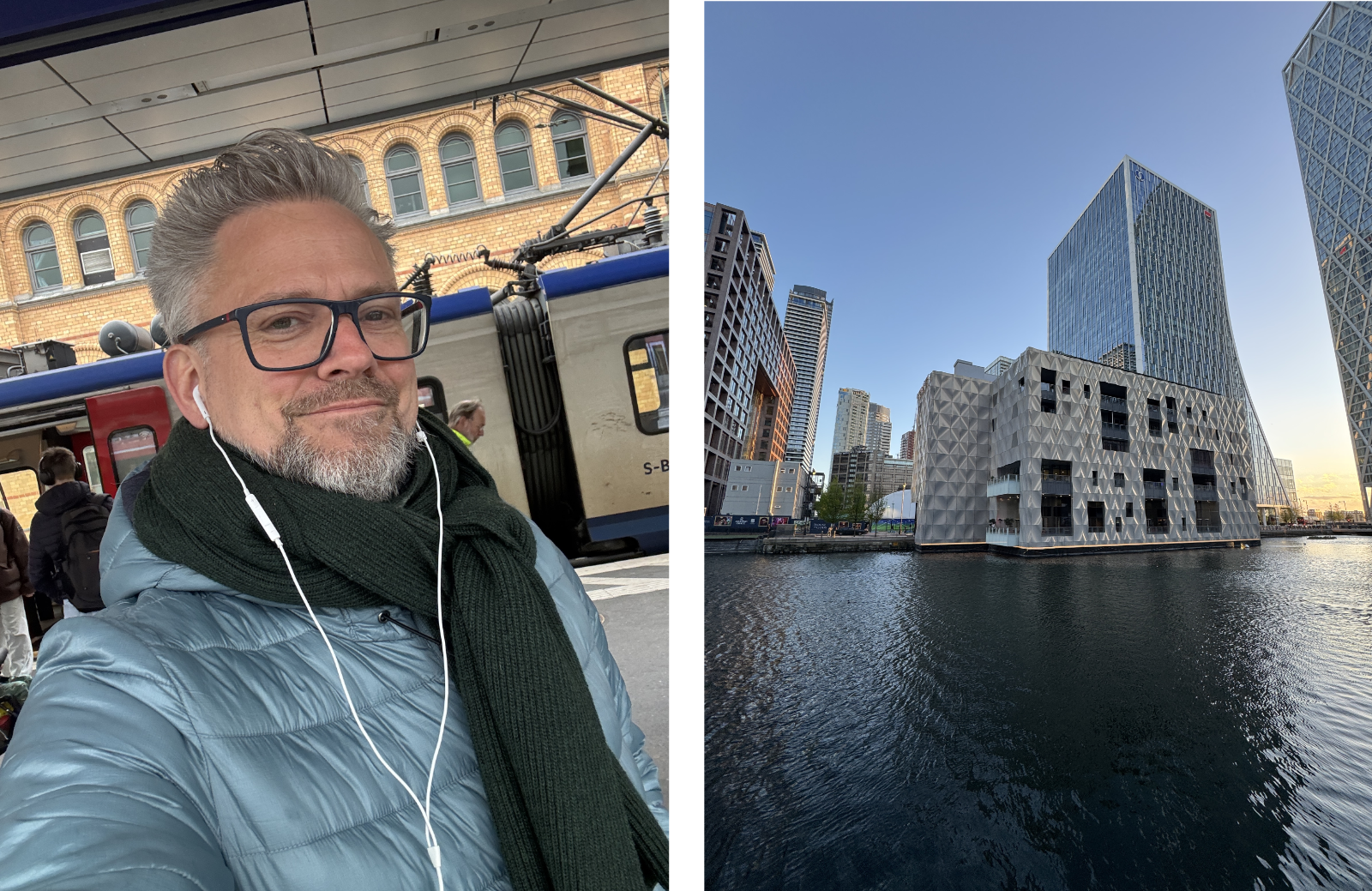

And the exciting thing about it is that it doesn’t seem like a contradiction. It looks like a conscious coexistence. The old buildings don’t lose their significance just because new ones are added. And the modern buildings don’t look out of place just because history remains visible. On the contrary – they reinforce each other. The old gives stability and character, the new brings dynamism and further development.
It is precisely this idea that can be applied surprisingly well to today’s working world. Many companies are currently facing the challenge of integrating new technologies, AI applications and modern working methods. At the same time, there are established structures and processes that have stood the test of time and cannot – and often should not – be easily replaced.
This is precisely where a field of tension often arises
London shows that this tension does not have to be a problem – but an opportunity. It’s not about exchanging old for new. It’s about combining the two. Existing processes can continue to form the basis – stable, reliable and tried and tested. New technologies and methods start exactly where they create added value: they complement, simplify and develop without calling the foundations into question.
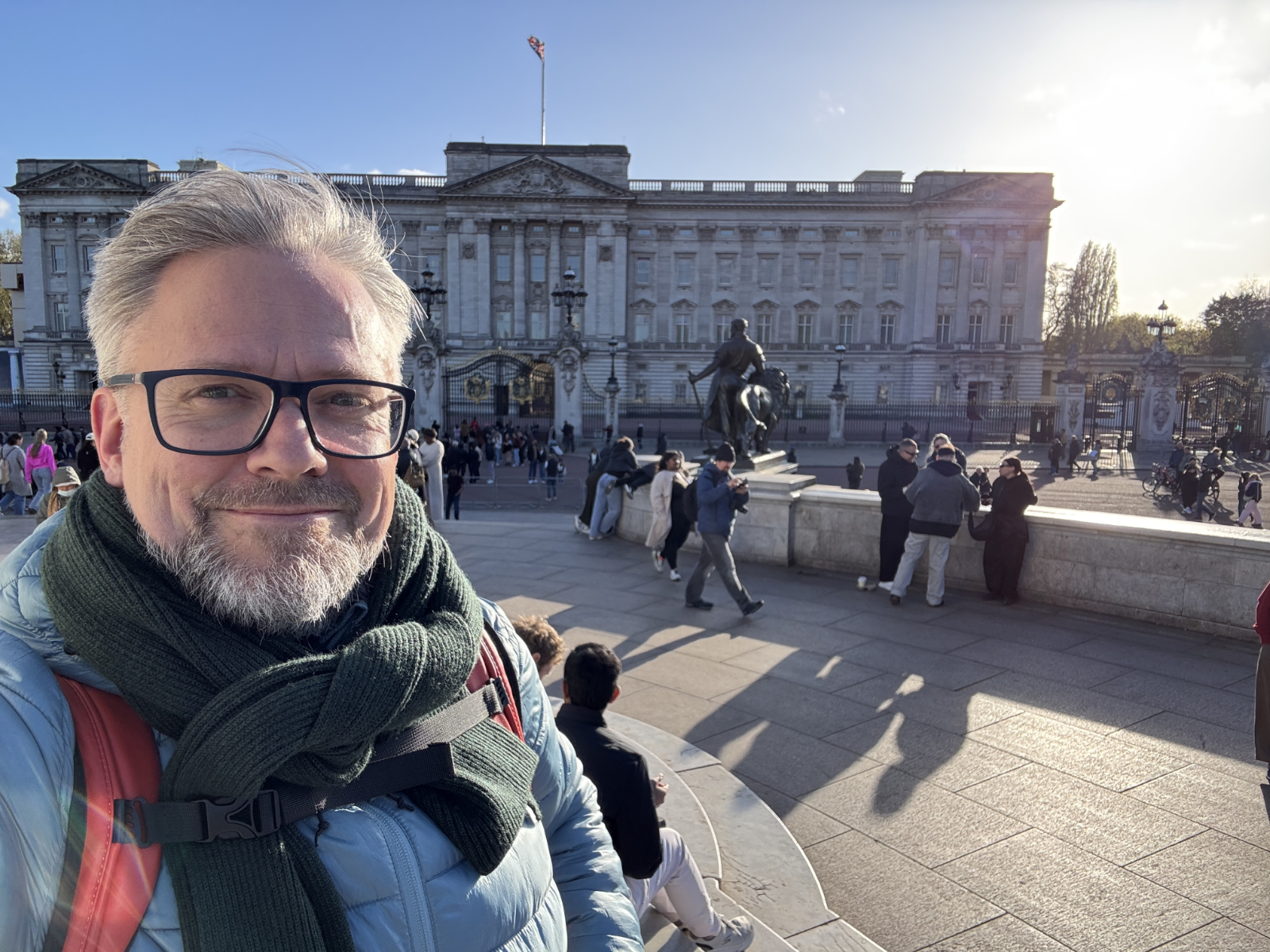

One example that particularly stuck in my mind was the Barbican Centre. A building from the 1980s, brutalist, striking – and at the same time a place that today stands for exchange, creativity and new ideas. The structure has remained, but its use has evolved.
And this is precisely where the real strength lies:
Don’t redo everything. Instead, keep thinking about the right things.
Applied to companies, this means that the combination of experience and innovation often produces the best results. Those who understand and value what already exists can implement new ideas in a more targeted way – and this is precisely what leads to real further development. London makes this visible.
The charm of the city is not created despite the contrasts, but precisely through their interplay. And perhaps this is precisely the approach that will help companies move forward today.


Curious now?
Our contact persons will be happy to help:

Matthias Brinkmann
+49 911 47494949
brinkmann@twobe.de
LinkedIn

