Customer Experience, AI, and New Ideas: 2be at infinit.cx in Munich

4 Min.

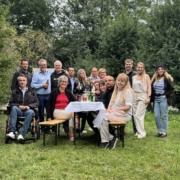
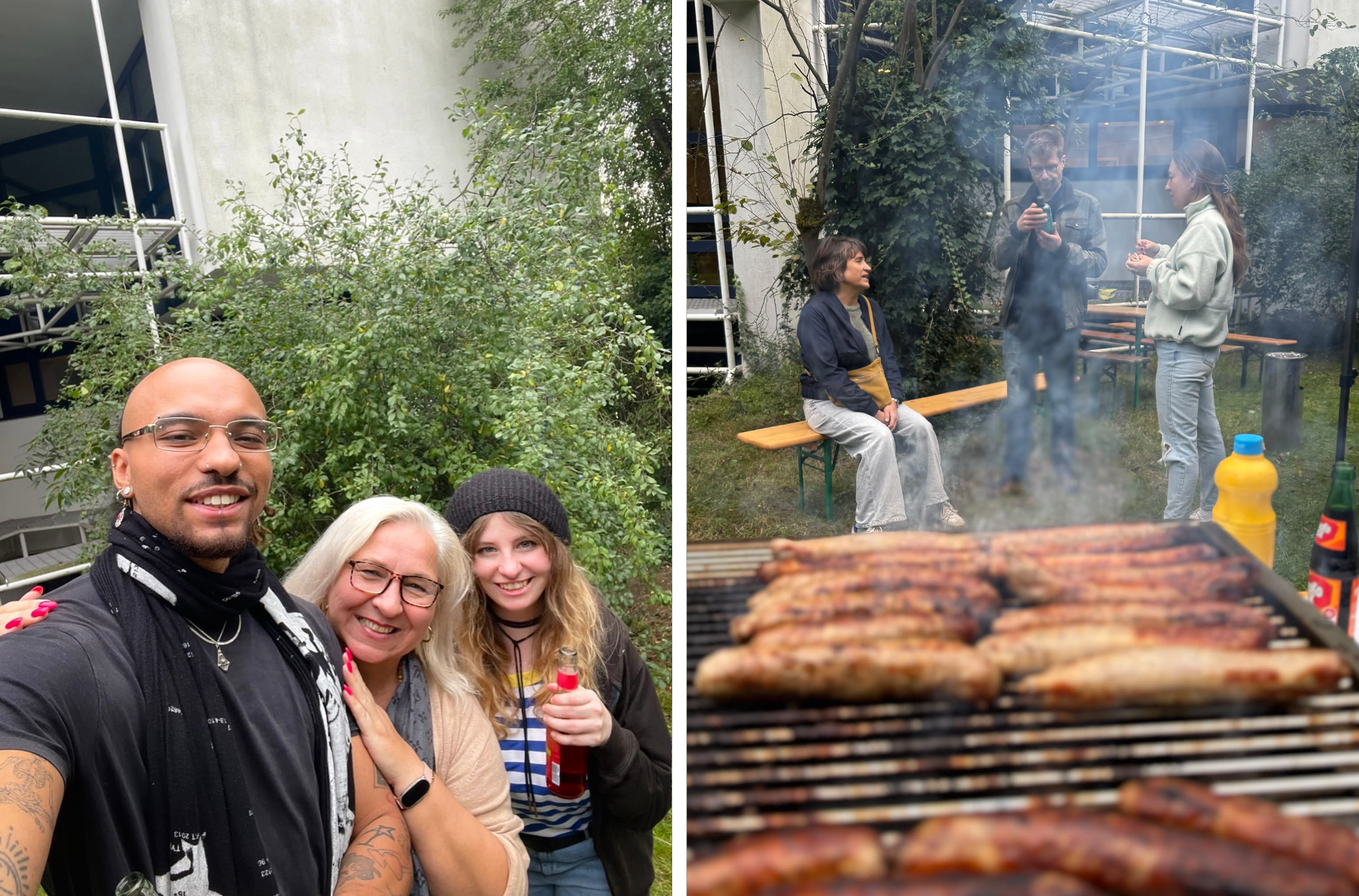
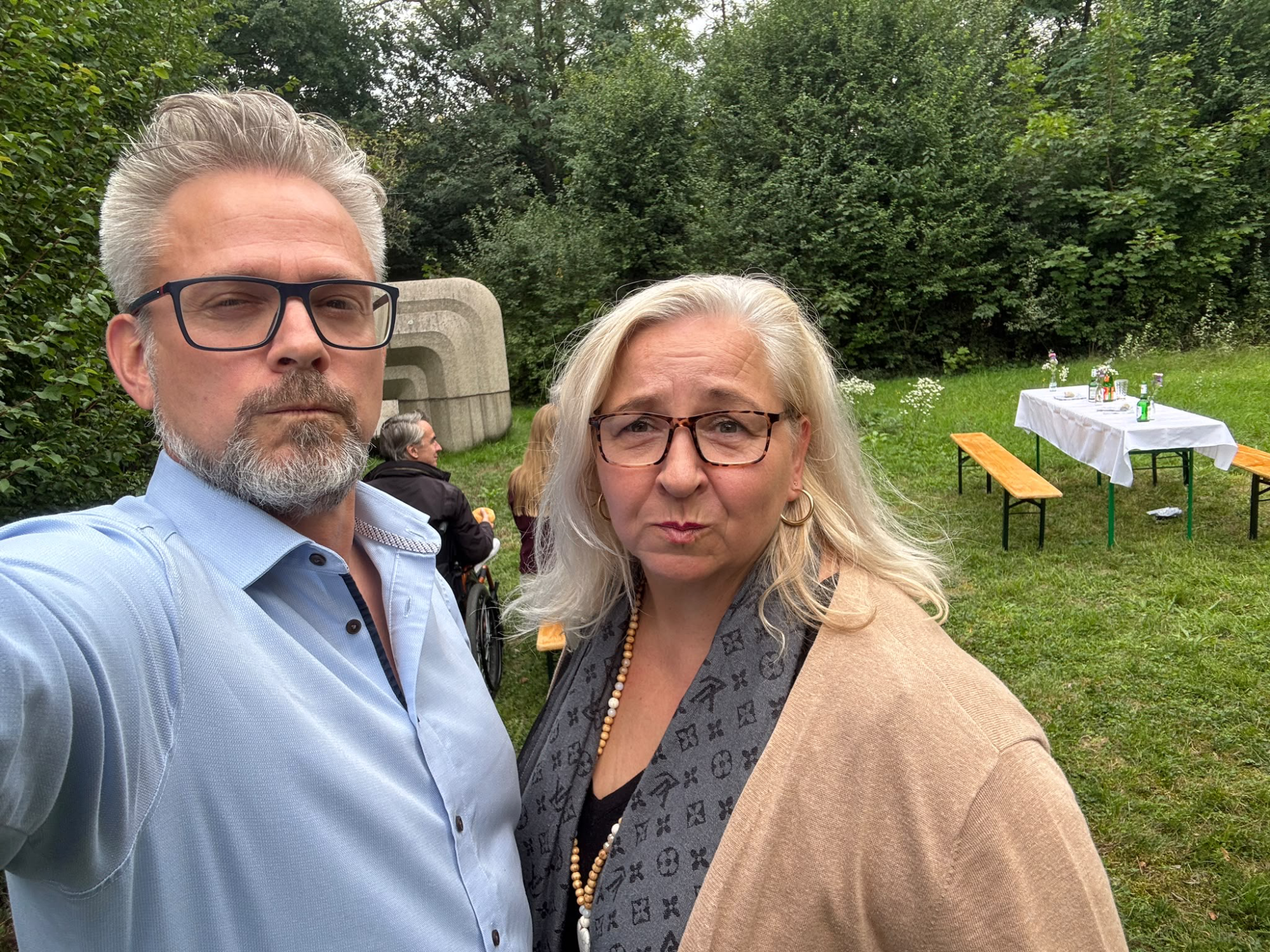
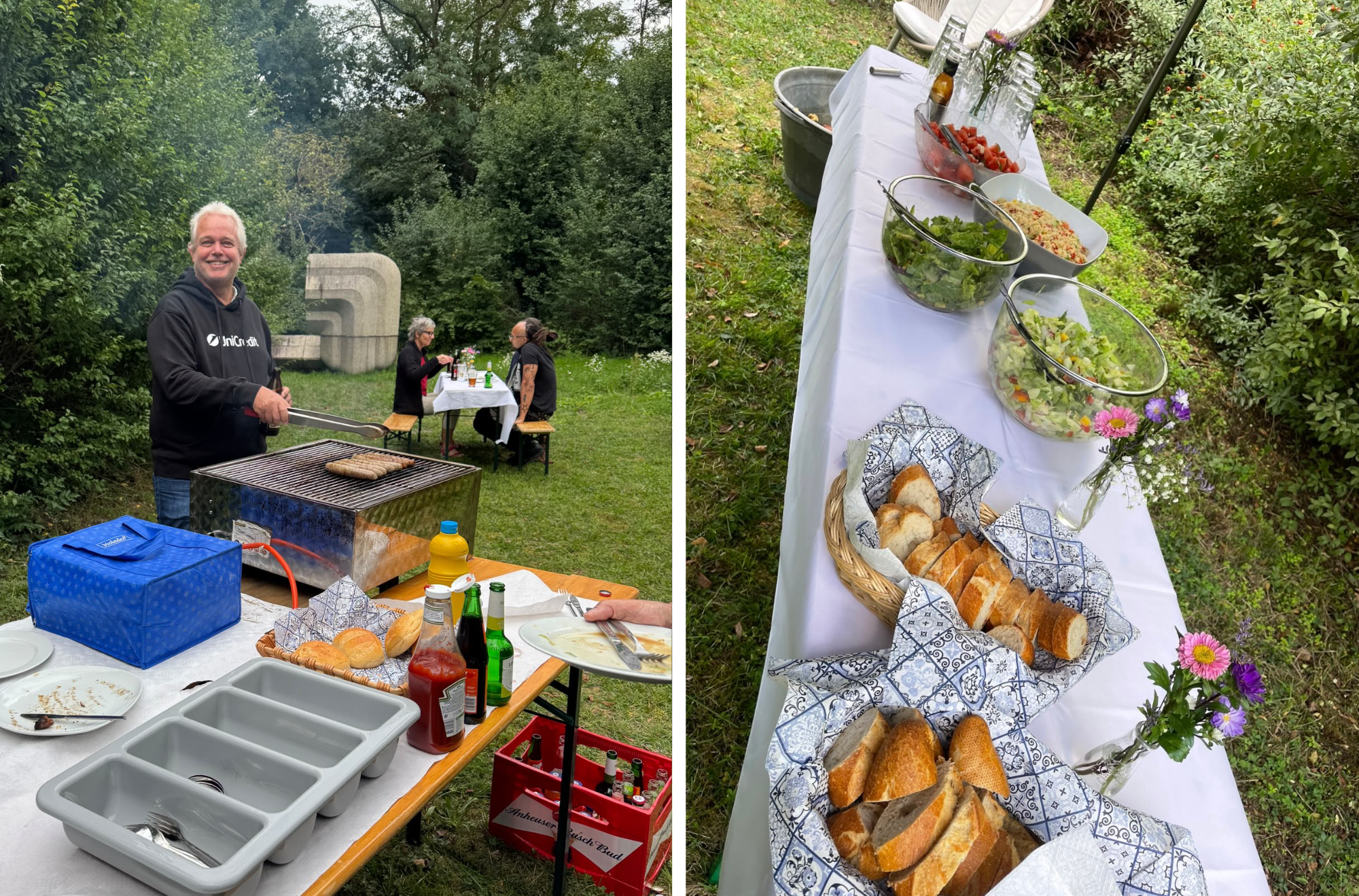
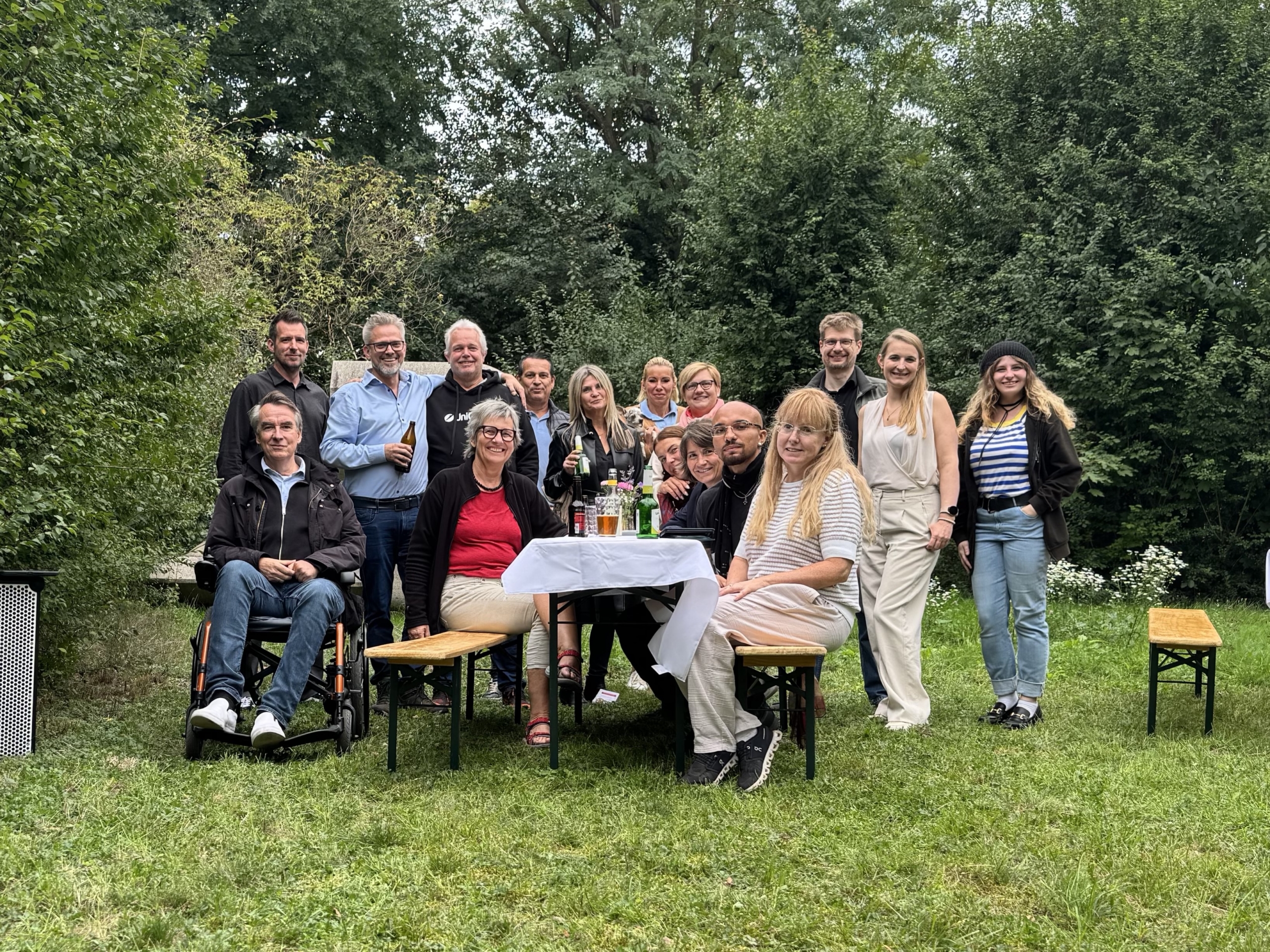
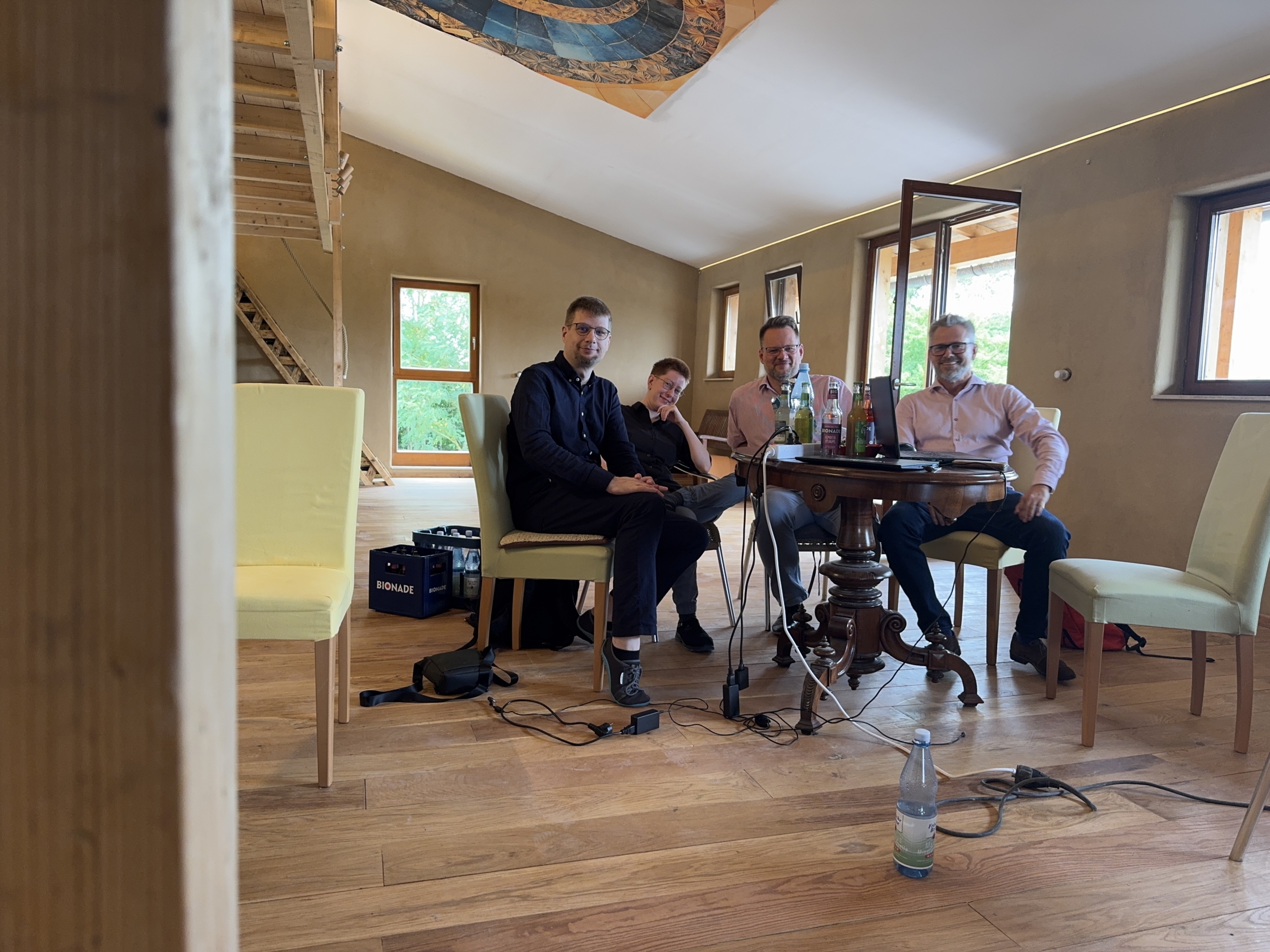
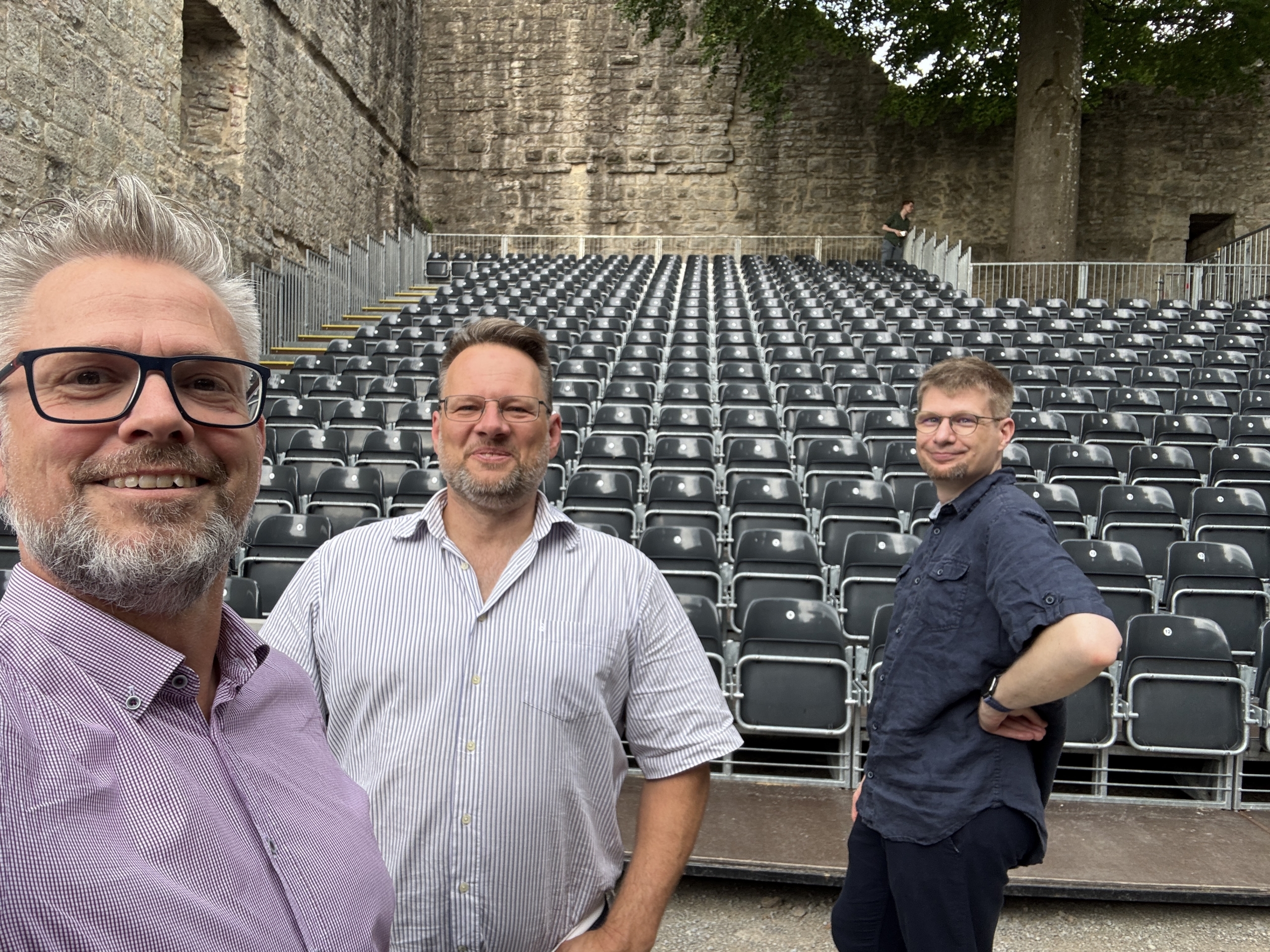
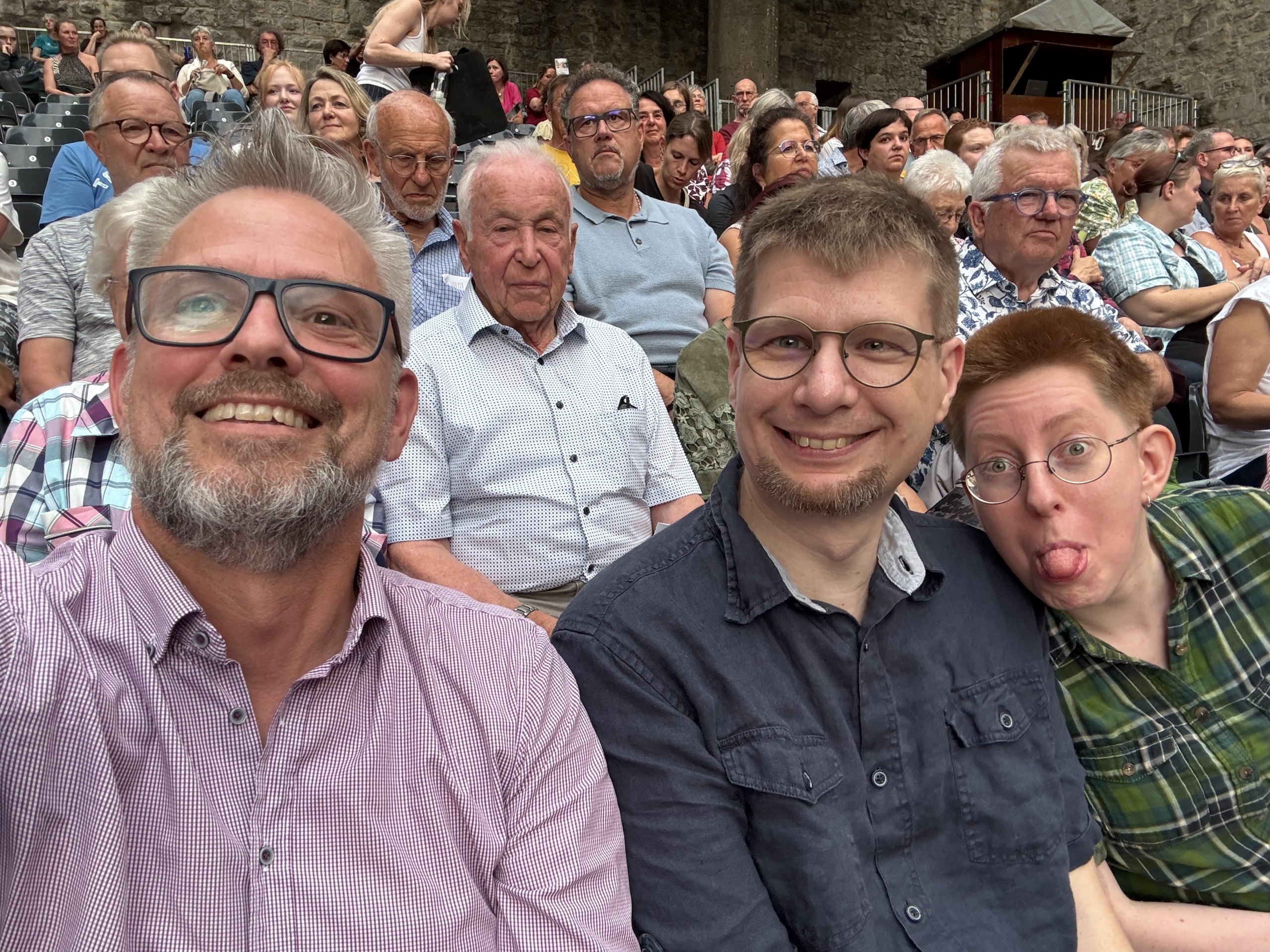
A day full of new inspiration, exciting conversations, and fresh ideas: Together with several partners, Matthias attended Detecon’s 2nd Consultant Day hosted by infinit.cx in Munich. The focus was on a question that’s currently on the minds of many companies: How can customer communication be made smarter, more efficient, and at the same time more personalized in the future?

Customer expectations are changing rapidly. Communication needs to be fast, personalized, cross-channel, and as straightforward as possible. At the same time, companies face the challenge of making processes more efficient, reducing the workload on employees, and integrating new technologies effectively into existing structures.

It is precisely at this intersection that customer experience, modern communication platforms, and artificial intelligence come together. As became clear at the Consultant Day, it is no longer a matter of using individual tools in isolation. What matters most is the interplay between technology, processes, data, strategy, and the people who work with them.

Focus on Modern Communication Platforms and Agentic AI

With comprehensive product expertise and years of hands-on experience, infinit.cx helps companies unlock the full potential of modern communication solutions. Among other things, the company focuses on platforms such as Genesys and Sprinklr as well as Agentic AI solutions from Parloa and Cognigy.

The key questions here are: Where can AI actually improve customer communication? Which processes can be intelligently automated? How can companies respond more quickly without losing a sense of personal connection? And how must existing workflows be designed so that new technologies can actually have an impact?

Agentic AI, in particular, illustrates just how much customer service and communication could change in the coming years. AI systems are increasingly evolving from purely assistive solutions into systems that can independently handle tasks, prepare decisions, and support complex processes.

Workshops, exchanges, and new approaches

Together with numerous moderators, experts, and partners, the event in Munich sparked in-depth discussions, new perspectives, and concrete solutions. The focus was not only on the current state of the art, but above all on the question of which topics will truly be relevant for companies in the coming months and years. Some of the approaches that emerged have the potential to have an impact far beyond individual projects. We won’t reveal any more at this point—but one thing is certain: exciting ideas have been set in motion here.

A key insight that also aligns very well with our work at 2be: New technologies do not automatically deliver value. An AI solution does not in itself make for an intelligent process. A new platform does not automatically improve customer communication. And a modern tool does not solve structural problems if processes, responsibilities, and goals are not clearly defined.

The 2nd Consultant Day in Munich demonstrated just how valuable open dialogue between different disciplines, partners, and perspectives can be. When technological expertise, strategic thinking, and practical experience come together, solutions emerge that can truly help companies move forward. A heartfelt thank you to Thomas Denk, Markus Lill, Kai Nörtemann, Evelyn van Haastert-Heine, and the entire infinit.cx team, as well as to everyone involved, for the excellent organization, the engaging workshops, and the open dialogue.

Curious now?
Our contact persons will be happy to help:

Matthias Brinkmann
+49 911 47494949
brinkmann@twobe.de
LinkedIn


Canva or InDesign? The Follow-Up Report

4 Min.

Is Adobe InDesign even necessary anymore, or is Canva sufficient for professional design projects? Our workshop “Adobe Meets Canva—Which License Do I Still Need?.” The answer—unsurprisingly—turned out to be more nuanced than many had expected.

What was planned as a traditional technical presentation quickly evolved into an open exchange of experiences among professional designers, marketing managers, Canva users, and accessibility experts. It was precisely this mix that made the afternoon particularly exciting: different perspectives came together, experiences were shared, and many existing assumptions were challenged.

Affinity delivers the biggest surprise

One of the highlights of the workshop was the integration of Affinity into Canva. Many participants were unaware that Canva had acquired the entire Affinity suite and that it can now be used at no additional cost as part of a Canva subscription.

This suddenly gives users access to a professional tool for vector graphics, image editing, and layout that significantly expands the previous limits of Canva. For many participants, this was the most surprising insight of the entire workshop.

Canva Excels in Collaboration and Speed

There was a particularly intense discussion about the possibilities for cooperation.

Using real-world client projects as examples, we demonstrated how multiple people—designers, copywriters, photographers, marketing professionals, and even clients—can work on a document at the same time. This approach offers enormous time savings, particularly when working on parish newsletters, annual reports, or newsletters.

The case studies clearly showed:

  • Several people are working on the same document at the same time
  • significantly shorter decision-making processes
  • fewer rounds of revisions
  • greater sense of ownership among all project participants
  • On-time print submissions

At the same time, it became clear that collaboration only works with clearly defined roles and a final quality control check.

Want to dive even deeper? Then mark September 8, 2026, on your calendar now.

In “Adobe Meets Canva – Part 2,” we’ll show you how both programs work together seamlessly in everyday business—from professional workflows and AI support to corporate design and efficient teamwork. Click here to register: Adobe Meets Canva – Part 2

Typography remains Adobe InDesign’s forte

While Canva excels in terms of speed, Adobe InDesign remains the gold standard for sophisticated typography. Professional typesetting projects requiring precise spacing, clean justified text, automatic hyphenation, or complex typographic rules can still only be reliably executed using InDesign.

The participants therefore quickly agreed: Anyone who regularly designs magazines, books, or high-quality printed materials will continue to find InDesign indispensable. Another focus of the workshop was comparing traditional layout functions.

Among other things, the following topics were discussed:

  • Sample Pages
  • automatic page numbers
  • Text concatenations
  • Double-page spreads
  • Tables of Contents
  • Automated layout processes

Although there are now numerous workarounds available within Canva—such as templates, brand kits, or AI-powered PDF imports—Canva still does not match the full range of features offered by Adobe InDesign.

Print quality is impressive in Canva, too

Another commonly discussed misconception has also been debunked: Canva now generates print-ready PDFs that include bleed margins and CMYK output. While not all color profiles are available, practical experience over the past few years has shown that Canva can produce very good print results—especially in digital printing.

Nevertheless, the panel’s recommendation was clear: Before undertaking complex print projects, color management should always be coordinated with the respective printing company.

During the discussion, one topic almost naturally emerged as the focus of a potential follow-up event: accessibility. Several experts in this field discussed the possibilities and limitations of both programs.

While Canva already offers basic features such as alternative text and decorative labels, both Canva and Adobe still have significant room for improvement when it comes to creating fully accessible PDF or HTML documents. This is precisely where many participants would like to see an in-depth workshop with concrete, practical examples.

Canva or Adobe? The answer is: It depends.

The most important insight gained that afternoon was that there is no clear winner.

Canva excels in any situation where speed, collaboration, ease of use, and cost-effective workflows are required. Adobe InDesign, on the other hand, remains the top choice when the highest standards are required for typography, complex layouts, or automated print production. Today, these two tools complement each other far more than many people might initially assume.

We would like to extend our sincere thanks to all participants for the engaging discussions, the numerous real-world examples, and the open exchange of experiences.

The strong response shows us that this topic is currently on the minds of many companies. That is why we are continuing the series. There was particularly high demand for in-depth workshops on accessibility, Affinity, and AI-powered design workflows.

We’re already looking forward to the next event and continuing our dialogue with you.

Curious now?
Our contact persons will be happy to help:

Matthias Brinkmann
+49 911 47494949
brinkmann@twobe.de
LinkedIn
Better 8 more meetings. Better safe than sorry.

3 Min.

“Let’s take another vote on this.”
“We should take all stakeholders with us.”
“We still need a jour fixe for this.”
“And a follow-up meeting afterwards.”

Sound familiar? Then you are not alone. Many companies discuss, coordinate, analyze and document. Presentations are created, appointments are coordinated and working groups are set up. Everyone is busy, everyone is working and yet often surprisingly little happens.

Three weeks later, the result often looks like this:

  • 47 Calendar invitations
  • 126 PowerPoint slides
  • 18 Protocols
  • 0 Decisions

When meetings replace decisions

Meetings are important. They create transparency, promote exchange and help to bring different perspectives together. But this is precisely where the danger lies: many companies no longer use meetings as a tool for decision-making, but as a substitute for decisions; instead of taking responsibility, discussions continue.

Instead of creating clarity, further coordination loops are planned, instead of defining a path, even more opinions are sought. The result: projects are delayed, employees lose motivation and important opportunities remain unused.

Many managers are waiting for the perfect basis for decision-making, all data should be available, every eventuality should be taken into account, everyone involved should be heard. But in a dynamic business world, perfection is often the greatest enemy of progress. A mediocre decision made today usually takes a company further than eight perfect meetings with no result, because decisions create movement. Decisions enable learning. Decisions provide insights that cannot be gained in a meeting.

Why companies drive in circles

Especially in times of digitalization, a shortage of skilled workers, rising costs and growing competitive pressure, companies cannot afford to wait weeks for decisions. If you are constantly discussing, you will end up going round in circles; if you make decisions, you will make progress. It’s not about acting rashly, it’s about creating clear responsibilities, shortening decision-making paths and designing processes in such a way that progress is possible.

In our day-to-day work, we see time and again that the real challenge is not a lack of knowledge – most companies know exactly what needs to be done. The problem is often unclear responsibilities, a lack of processes and too many levels of coordination.

This is exactly where modern process optimization comes in.

Those who define responsibilities, establish decision-making powers and make sensible use of digital processes create the basis for faster decisions and better results. Digital tools, clear workflows and transparent communication structures help to reduce unnecessary meetings and win back valuable time.

Just do it instead of endlessly discussing it

Change happens when people take responsibility and make decisions, so our recommendation is very clear:

Fewer coordination loops.
Fewer endless meetings.
More clarity.
More responsibility.
More implementation.

As a partner for digitalization, process optimization, sales and corporate development, we help companies to break down entrenched structures and regain their ability to act. Together, we analyse existing workflows, identify organizational roadblocks and develop practical solutions for faster decisions and more efficient processes.

Because in the end, it’s not the next meeting that brings progress.
But the next decision.

Curious now?
Our contact persons will be happy to help:

Matthias Brinkmann
+49 911 47494949
brinkmann@twobe.de
LinkedIn
When inquiries suddenly stop coming in: Why active sales are more important now than ever before

3 Min.

Many companies are familiar with this situation: for years, business almost ran itself. Demand was high, customers came through recommendations, existing networks or long-standing market positions. Sales often meant one thing above all: processing incoming inquiries, preparing offers and handling projects.

But what happens when market conditions change?

The market has changed – and now?

Rising costs, economic uncertainty, reluctance to invest and changing customer requirements are currently causing a noticeable shift in framework conditions in many sectors. Projects are being postponed, budgets cut and decisions delayed much longer than just a few years ago. Suddenly there are no inquiries, the pipeline is getting emptier, capacity utilization is falling and it is precisely at this point that it becomes clear how dependent many companies were on a market that had provided a tailwind for years.

What we are currently observing frequently:
Instead of taking active action, people first analyze. And then analyzed again.

Working groups are set up, strategy meetings are scheduled, market reports are produced and presentations are prepared. Of course, analyses are important, they help to understand developments and make well-founded decisions, but there comes a point when further discussions no longer provide any additional insight.

While the causes are still being discussed internally, competitors are already winning new customers, tapping into new markets and expanding their visibility.

Hope is not a sales strategy

Many people secretly hope that the market will pick up again and everything will return to the way it used to be, but markets don’t work on hope. Anyone who relies on the fact that the next inquiry will come at some point loses valuable time. Time in which competitors actively build up new contacts, sharpen their positioning and make targeted investments in sales and marketing. It is often during difficult market phases that the greatest opportunities arise for companies that are prepared to break new ground.

If there are no inquiries, you don’t need any more PowerPoint presentations. It needs action.

These include, among others:

  • Clear sales strategies and defined target groups
  • Actively approaching new customers instead of passively waiting
  • Systematic lead generation
  • Visibility on LinkedIn, website and relevant channels
  • Digital sales processes and CRM structures
  • Consistent follow-up of existing contacts
  • Marketing and sales as a joint unit

Sales does not begin with the offer. Sales begins with visibility, positioning and the ability to reach potential customers in the first place. Those who act today will gain market share tomorrow. Particularly in the SME sector, we see time and again that companies with clear processes, a strong brand and an active sales strategy can grow even in difficult times.

Not because the framework conditions are better than others, but because they react more quickly.

Young businessman sits in a badly damaged car and looks at his smartphone while the vehicle around him is completely destroyed. The image symbolizes companies that are not taking action despite falling demand and impending market problems.

Many companies only recognize the crisis when the order situation has already collapsed. Instead of actively taking countermeasures, they often continue to analyze while the market has long since written new rules.


Stop watching – get behind the wheel

If the order situation is declining, the pipeline is emptying and uncertainty is growing, now is not the time to discuss the situation for the tenth time, now is the time to turn the wheel. Stop watching your car drive towards the wall, take the wheel and change course – now.

After all, markets have no sympathy for companies that are waiting for things to go back to the way they used to be. We will of course support you in successfully shaping this change with clear sales strategies, sustainable lead generation, digitalized processes, marketing with measurable results and the targeted use of AI in sales.

Curious now?
Our contact persons will be happy to help:

Matthias Brinkmann
+49 911 47494949
brinkmann@twobe.de
LinkedIn
Cuddly toys, good conversation and a lot of heart in Nuremberg’s city center

3 Min.

On Saturday Matthias was not only for 2be, but also as an Old Tabler together with the Round Table Nuremberg in Nuremberg’s city center – for a campaign that really impressed us.

Cuddly toy campaign in Nuremberg: 1500 teddies completely sold out

1500 donated cuddly toys were sold for 10 euros each with direct support for several social causes. One cuddly toy went directly to a child in the buyer’s neighborhood, other teddy bears to the Nuremberg Fire Brigade and the Nuremberg Children’s Hospital and in the end all the cuddly toys were actually sold!

The proceeds also go to the Lobsinger play and learning centerto support the great work there.

Why this campaign is so important

Why is the campaign so special? Because in some situations it doesn’t take much, a cuddly toy for example, something to hold on to. Children in difficult emergency situations often don’t have their parents with them. A teddy bear can provide comfort, security, something to hold on to and a little bit of security in precisely these moments until mom or dad are back.

Even the city commander of the Nuremberg fire department was there in person to lend a hand. Of course, Matthias not only helped out diligently, but – in true Matthias fashion – he also had great conversations, made contacts and probably prepared the next exciting encounters along the way 😄 He knows how to network.

But what he found particularly interesting that day was something else: often it was precisely those people who you might be tempted to pigeonhole in terms of appearance, style, origin or simply because they don’t fit the classic image. Holidaymakers, very different personalities, people with rough edges, it was precisely these people who were often the warmest, most generous and quickest to help. A nice reminder of how wrong first impressions can sometimes be and at the same time shows that generosity has nothing to do with your bank balance, but with your attitude.

In the end, we are left with a really good feeling: 1500 cuddly toys sold, countless great conversations and a lot of humanity. Thanks to Round Table Nuremberg for this great campaign – we are delighted that Matthias and we were able to be part of it ❤️

Curious now?
Our contact persons will be happy to help:

Matthias Brinkmann
+49 911 47494949
brinkmann@twobe.de
LinkedIn
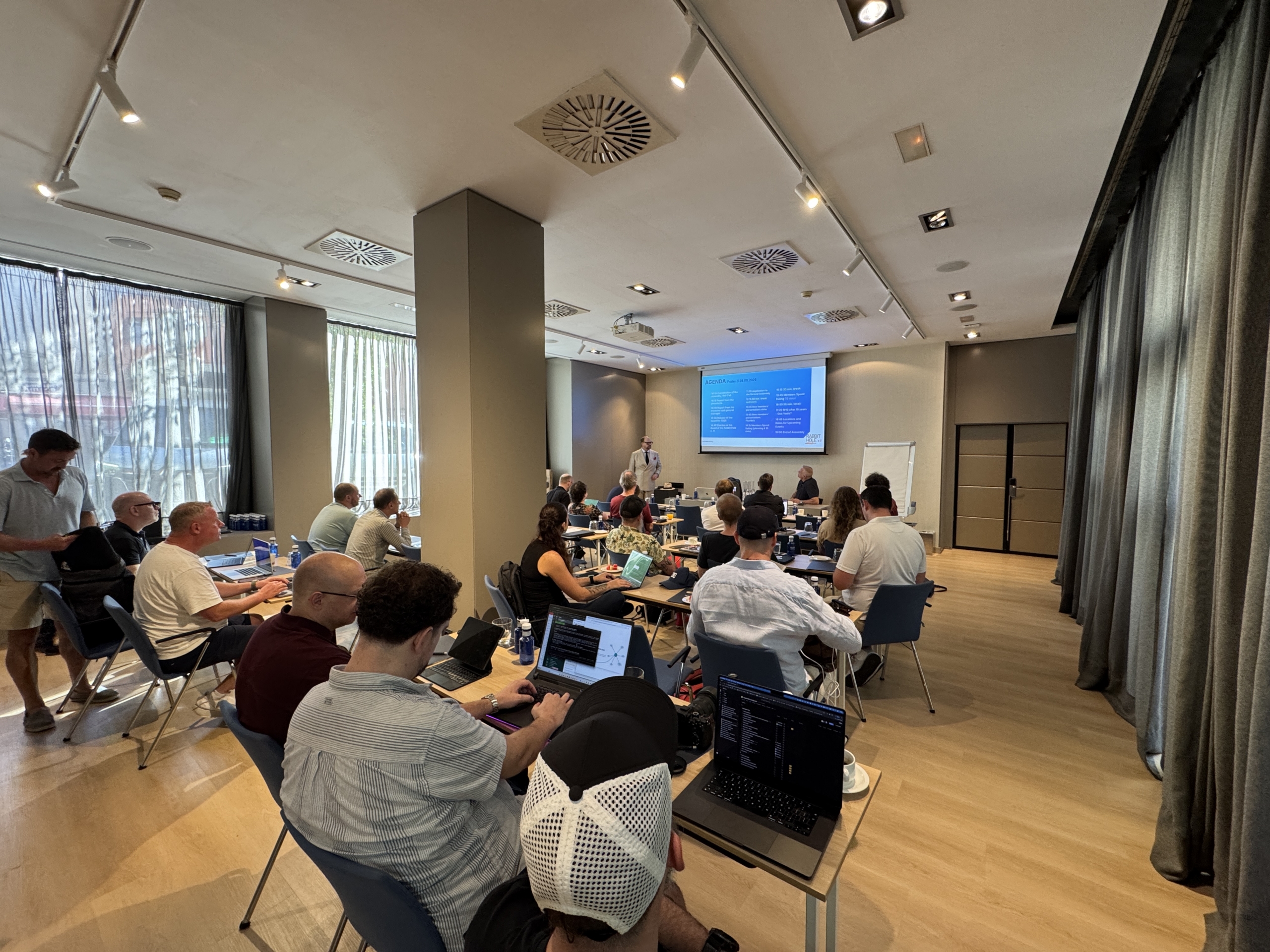
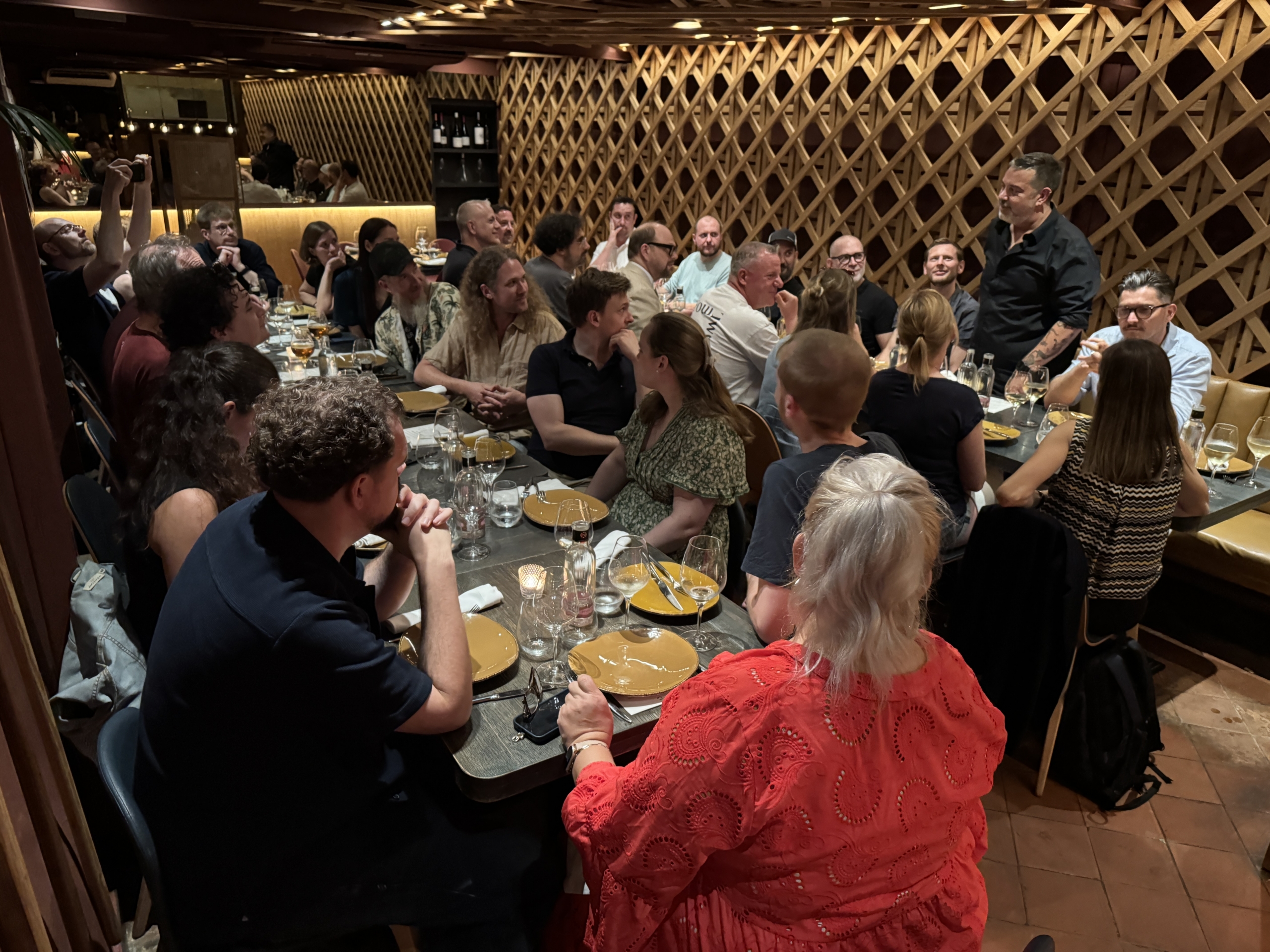
Nuremberg Digital Festival 2026: Rabbit Hole Group goes to the start together

4 Min.

When digitalization, AI, exciting minds and good conversations come together, then you can be pretty sure that the Nuremberg Digital Festival. And when the Rabbit Hole Group makes its way together, an exciting event quickly becomes a must-attend event. We at 2be die markenmacher are delighted to be part of the festival together with our partners as the Rabbit Hole Group – with two presentations, lots of discussions and topics that could hardly be more topical.

And the best thing first: the Nuremberg Digital Festival is free, open to everyone and definitely worth a visit. Anyone interested in digitalization, future topics, AI or simply exciting people and new perspectives should not miss it.

Together live on June 23 at the Nuremberg Digital Week

On this day, the Rabbit Hole Group will take the stage several times – and bring different perspectives on current digital topics. The whole thing takes place in a really great location: The Consorsbank in Nuremberg is providing the premises for this event. A big thank you for this already now.

Among others, they include:

And everyone brings not only experience, but above all topics that could hardly be more topical.


Digital sovereignty: why we don’t need to rely on tech giants

16:00 – 17:00 hrs | Matthias Brinkmann from 2be die markenmacher and Anton Dollmaier from AD IT Systems.

Matthias and Anton kick things off by addressing a topic that is becoming increasingly relevant: digital independence.
How independent are companies really today? Between cloud dependencies, international platforms, software monopolies and geopolitical discussions, this question is no longer a theoretical one.

The presentation will focus on perspectives, challenges and pragmatic approaches for companies that want to remain digitally agile.

Education & AI – More than just chatGPT in the classroom

18:00 – 19:00 | Antonia Engfors from Systaro GmbH and Jozo Lagetar from Lagetar Solutions

Antonia and Jozo will take over immediately afterwards. Their joint presentation on “Education & AI” will focus on how artificial intelligence can be used sensibly in educational processes – in a practical, understandable way and without unnecessary buzzword bingo.
Because, as we all know, there is still a pretty exciting middle ground between blind AI hype and skeptical wait-and-see.

And in between? Time for real conversations. Not every good impulse happens on a stage. Between the presentations, there is deliberately enough time for chatting, networking, asking questions and exchanging ideas. After all, that’s what makes such events special: not just taking away input, but meeting people, hearing perspectives and perhaps even taking home new ideas or partnerships.

It pays to be quick

The Nuremberg Digital Festival itself is free of charge and generally highly recommended.
However, only a few places are still available for the Rabbit Hole Group lectures on June 23.
So if you want to be there, you’d better not wait until the calendar says “sometime” to register.

Secure your place now and register:
Digital sovereignty: why we don’t need to rely on tech giants
Education & AI – More than just chatGPT in the classroom

And because anticipation is the greatest joy, Saskia Roscher has already shown Matthias and Anton the premises live on site. The verdict? It fits. Really well, in fact. Exactly the kind of location where good conversations, new ideas and honest exchanges can take place.

We look forward to seeing familiar faces, making new contacts and an exciting afternoon full of exchanges, ideas and digital perspectives.

Curious now?
Our contact persons will be happy to help:

Matthias Brinkmann
+49 911 47494949
brinkmann@twobe.de
LinkedIn
2be at the RETTmobil for Ergo-Tec – lead generation between blue lights, the smell of burgers and exciting conversations

3 Min.

Some appointments start out very relaxed. And then there are appointments like the RETTmobil. Lots of traffic, full roads, lots of hustle and bustle – the journey there was definitely a tough one. But: we arrived, got our bearings, took a deep breath – and were right in the thick of things.

For Matthias, the assignment at the RETTmobil was even a bit of a home game. As a native of Fulda, he was of course very familiar with the region. The site itself was not unfamiliar territory either: the former airfield and military site has its very own character with its special atmosphere. And when everything takes place between huge exhibition tents inside and out, the whole thing takes on a very special exhibition vibe. Our mission? To actively make contacts for Ergo-Tec Medical, hold talks and tap into new potential for lead generation.

Who is Ergo-Tec?

Ergo-Tec Medical develops sophisticated solutions for everyday medical and ergonomic work. The focus is on products that make workstations more functional, efficient and user-friendly – especially where reliability and ergonomics are crucial. These solutions are aimed at exactly the right target group, particularly in the field of emergency services, medical facilities and specialized areas of application.

Networking instead of just exhibition stand brochures

While others strolled past the stand, Matthias had to actively engage in conversation, establish contacts, understand needs and see where real points of contact could be created.

And that is exactly what makes such assignments so exciting: from interesting technical discussions and spontaneous encounters to concrete exchange opportunities, everything was there. Particularly exciting: in addition to many national contacts, international connections were also made. Exactly the mix that makes a trade fair like RETTmobil so valuable.

And yes – between all the conversations, you shouldn’t forget the little highlights: Burgers from the grill right on the premises? Definitely a plus point.

For us, lead generation is not just about collecting business cards. It’s about getting to know the right people, having honest conversations and recognizing opportunities early on. Especially for companies like Ergo-Tec, which offer specialized solutions for a clearly defined target group, trade fairs like RETTmobil are a strong platform. In many cases, personal interaction still beats any automated contact channel.

And what happens next?

Now the exciting part begins: following up, deepening conversations, developing contacts and turning initial encounters into real opportunities. We will keep you up to date on what emerges from the discussions. AI in sales is no longer a topic for the future – it is a topic for implementation. And this is exactly where we come in: We bring AI to where it works – in real conversations, clear processes and measurable results. If you have the feeling that this is precisely the gap you are currently experiencing, it’s worth talking to us.

Curious now?
Our contact persons will be happy to help:

Matthias Brinkmann
+49 911 47494949
brinkmann@twobe.de
LinkedIn

Between hype, headlines and reality – AI in sales

3 Min.

Whether it’s new features at OpenAI, discussions about Google or the latest updates at Microsoft – it feels like there’s a new tool every week that “changes everything”. And yet we hear the same phrase over and over again in conversations:

“Sounds exciting – but how do we actually use it here?


This is precisely where the biggest gap lies.

Between a flood of tools and real implementation

On the one hand: really strong AI solutions with huge potential. On the other hand: companies that try, test, reject – and somehow don’t get anywhere. This is particularly evident in sales:

  • AI providers sell their tools
  • Companies stick to traditional sales channels

The result? Both sides miss the point. One is too technical, the other is too “like it used to be” and that’s where it gets exciting. At 2be, we say: not either – but both, why choose when both work better together? That’s why we specifically build sales partnerships for AI companies. Not as pure tool sales – but as a bridge to real application.

In concrete terms, this means:

  • We take an active approach (by phone & digitally)
  • We use AI where it provides meaningful support
  • We bring companies into real conversations – online & on site

And that’s where the difference happens: not in the tool, but in the exchange.

Why this is so relevant right now

A look at current developments shows that AI is no longer seen as a “nice to have”, but as part of everyday working life. Automation is gaining momentum, sales cycles are getting shorter and customers expect a more personalized approach.

Or to put it another way:

Those who work completely without AI today will be slower tomorrow.
Those who only use AI but have no real sales remain invisible.

If you are currently working with AI in sales, please take these points with you:

  1. Tool ≠ Solution
    A good AI tool is of little use if it doesn’t fit your processes.
  2. Sales remains a human matter
    AI can prepare, structure and analyze – trust is built through conversation.
  3. Integration beats experimentation
    It is better to integrate one solution properly than to test several half-heartedly.
  4. Speed is an advantage – but only with direction
    AI makes you faster. But it only makes sense if it is clear where you are going.
  5. Partnerships are becoming more important
    The combination of expertise, technology and sales is becoming a real competitive advantage.

AI in sales is no longer a topic for the future – it is a topic for implementation. And this is exactly where we come in: We bring AI to where it works – in real conversations, clear processes and measurable results. If you have the feeling that this is exactly the gap you are currently experiencing, it’s worth talking to us.

Curious now?
Our contact persons will be happy to help:

Matthias Brinkmann
+49 911 47494949
brinkmann@twobe.de
LinkedIn
Visiting London – when opposites go together

3 Min.

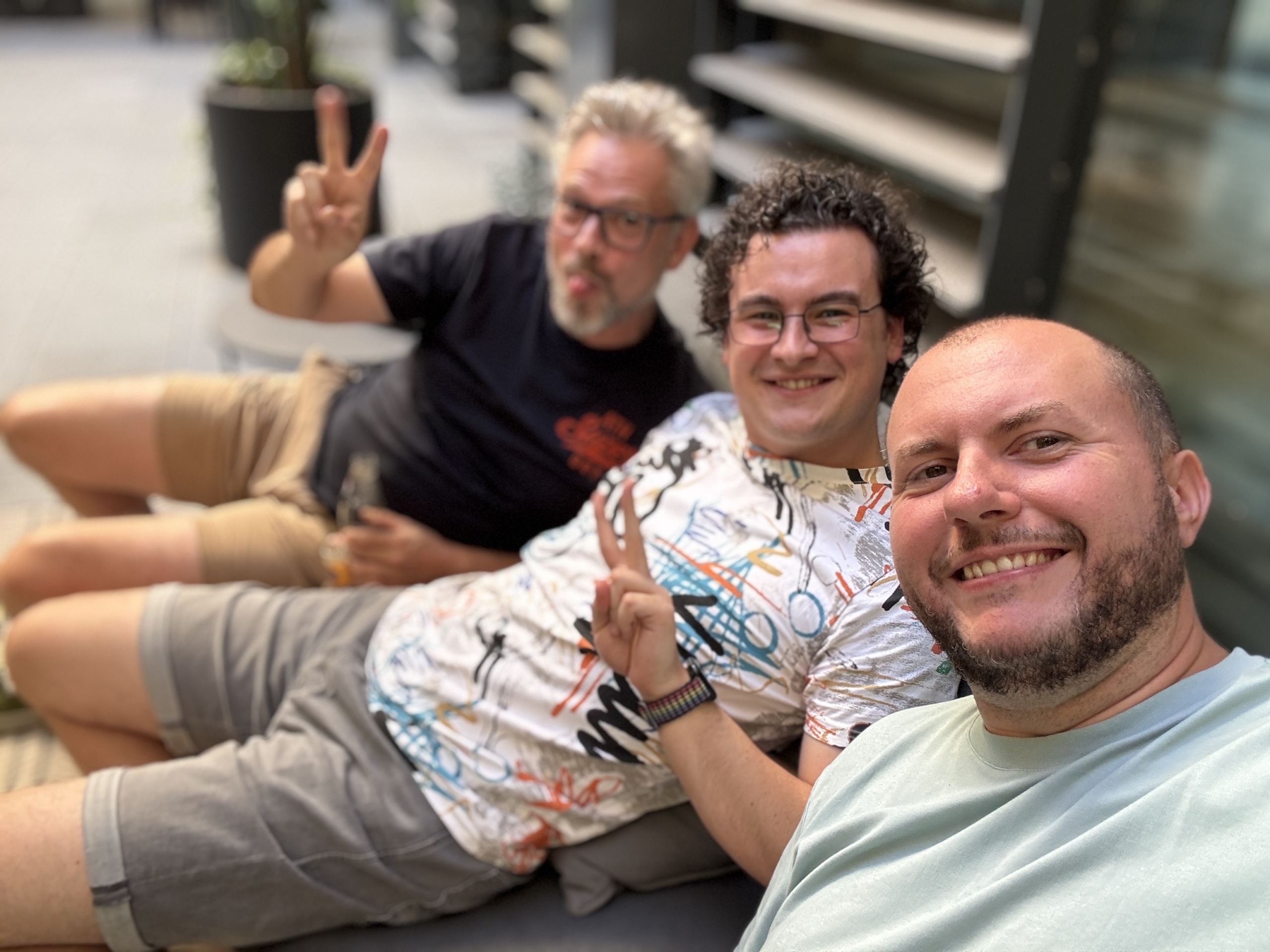
I spent a few days in London. Together with a small group, I went to the British metropolis for two and a half days at the invitation of my English teacher. It was a trip that was not only exciting from a linguistic point of view – but above all it triggered a thought that has stuck with me.

What makes London so special is not just its size or internationality. It is the natural interplay of contrasts: Historic buildings that have shaped the cityscape for centuries stand right next to modern architecture made of glass and steel. The closer you get to the center, the clearer this picture becomes.

And the exciting thing about it is that it doesn’t seem like a contradiction. It looks like a conscious coexistence. The old buildings don’t lose their significance just because new ones are added. And the modern buildings don’t look out of place just because history remains visible. On the contrary – they reinforce each other. The old gives stability and character, the new brings dynamism and further development.

It is precisely this idea that can be applied surprisingly well to today’s working world. Many companies are currently facing the challenge of integrating new technologies, AI applications and modern working methods. At the same time, there are established structures and processes that have stood the test of time and cannot – and often should not – be easily replaced.

This is precisely where a field of tension often arises

London shows that this tension does not have to be a problem – but an opportunity. It’s not about exchanging old for new. It’s about combining the two. Existing processes can continue to form the basis – stable, reliable and tried and tested. New technologies and methods start exactly where they create added value: they complement, simplify and develop without calling the foundations into question.

One example that particularly stuck in my mind was the Barbican Centre. A building from the 1980s, brutalist, striking – and at the same time a place that today stands for exchange, creativity and new ideas. The structure has remained, but its use has evolved.

And this is precisely where the real strength lies:

Don’t redo everything. Instead, keep thinking about the right things.

Applied to companies, this means that the combination of experience and innovation often produces the best results. Those who understand and value what already exists can implement new ideas in a more targeted way – and this is precisely what leads to real further development. London makes this visible.

The charm of the city is not created despite the contrasts, but precisely through their interplay. And perhaps this is precisely the approach that will help companies move forward today.

Curious now?
Our contact persons will be happy to help:

Matthias Brinkmann
+49 911 47494949
brinkmann@twobe.de
LinkedIn

In an uncertain economic and business situation: why day-to-day business matters now
3 Min.

The current framework conditions are anything but stable. Geopolitical developments, a weakening domestic economy and rising costs mean that uncertainties are no longer just affecting individual companies, but entire industries. This situation is causing many to look for quick solutions or the one saving impulse from outside.

However, the honest answer is that there is rarely one lever that will turn everything around immediately. Artificial intelligence cannot be seen as a “miracle solution” here either. It is a strong supporter, an accelerator and a real help in many areas, but the decisive decisions remain the responsibility of companies.

Back to what works

Especially in such phases, it is worth consciously focusing on your own day-to-day business. Many companies already have functioning sales and marketing approaches that have delivered good results in the past. These should not be called into question, but rather used consistently and strengthened further.

In concrete terms, this means using existing sales channels more intensively, actively maintaining customer contacts and not just letting existing processes run, but optimizing them in a targeted manner. The combination of proven analog measures and digital channels continues to offer great potential here, which is often not yet fully exploited.

At the same time, it is worth using channels that have perhaps not yet been in focus. Social media in particular provides many initial points of contact that can be decisive for sales. What is important here is not so much perfection as continuity and authenticity. Those who are visible are seen – and those who are not seen are not noticed.

Make conscious decisions now

Many topics have been on the table for some time anyway: making processes more efficient, structuring sales more clearly or sharpening your own brand. In stable times, such decisions are often postponed, but this is precisely where the opportunity lies. If you act now, you will be in a better starting position when the general conditions change again.

This is precisely where we come in. We help to strengthen sales structures, align marketing measures sensibly and position your own brand clearly in the market. Our aim is not to generate short-term effects, but to build sustainable structures that enable companies to work independently in the long term. We integrate artificial intelligence where it simplifies processes and creates added value without unnecessarily complicating existing workflows.

Our view on this

Uncertain times cannot be avoided, but they can be managed. In our view, focusing on your own day-to-day business, combined with clear decisions and targeted measures in sales and marketing, is one of the most effective ways to regain stability and create new opportunities at the same time.


Curious now?
Our contact persons will be happy to help:

Matthias Brinkmann
+49 911 47494949
brinkmann@twobe.de
LinkedIn